
The culture behind the country. Seven aspects that shape the country today. CONTINUE Why the medinas are built that way. And what the crafts still say about it.

Moroccan Culture and Heritage: Medinas, Crafts, Food and Traditions

Morocco is far more than the landscapes people photograph. It is a country where the old cities still work the way they were built to, where a craft is a family trade rather than a souvenir, and where a shared meal follows rules no guidebook explains well. This guide covers what shapes daily life here: how a medina is organised, what artisans actually make, what Moroccans eat and when, who the Amazigh are, and which places carry the country’s deepest history. We wrote it from what our guides see every week across the Atlas, the desert, the coast and the valleys around Marrakech.

The 7 Key Aspects of Moroccan Culture

A quick overview of Moroccan culture and what makes the country unique. Moroccan culture is built on these seven things.

Topic What you need to know
The medina Walled old cities built before cars, organised around a mosque and a covered market
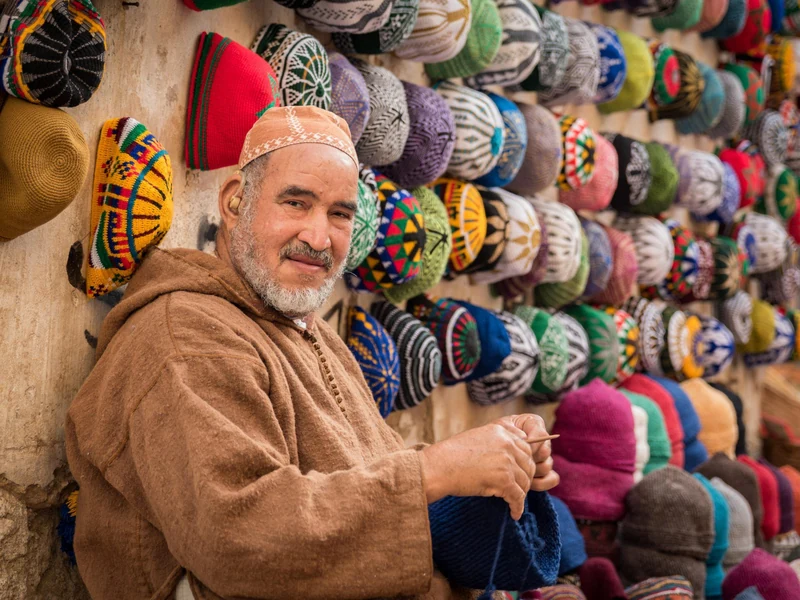
Craftsmanship Zellige, carpets, leather and metalwork, still made by hand in workshops you can visit
Moroccan food Tagine and couscous on Fridays, bread at every meal, mint tea as a form of welcome
Amazigh culture The country’s first inhabitants, their language and traditions, strongest in the Atlas
Landscapes Four worlds within a day of each other: Atlas, Sahara, Atlantic coast and Agafay
UNESCO heritage Nine listed sites, from Ait Ben Haddou to the medinas of Fes and Essaouira
Festivals & moussems Local celebrations tied to harvests and saints, spread across the year

Discover Moroccan Culture

The traditions, flavours and crafts of Moroccan culture you meet on the ground, and where each one is strongest.
Moroccan architecture and decorative arts

Art & Culture

Music, architecture and the artistic traditions of Moroccan culture that give each region its own character.
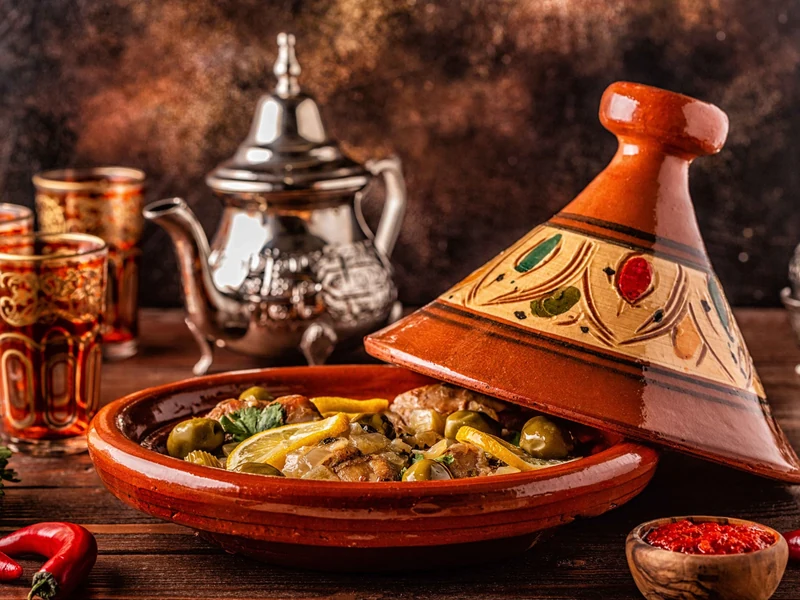
A Moroccan meal served on a low table

Gastronomy

Tagine, couscous, mint tea and the slow cooking that turns a meal into an occasion.
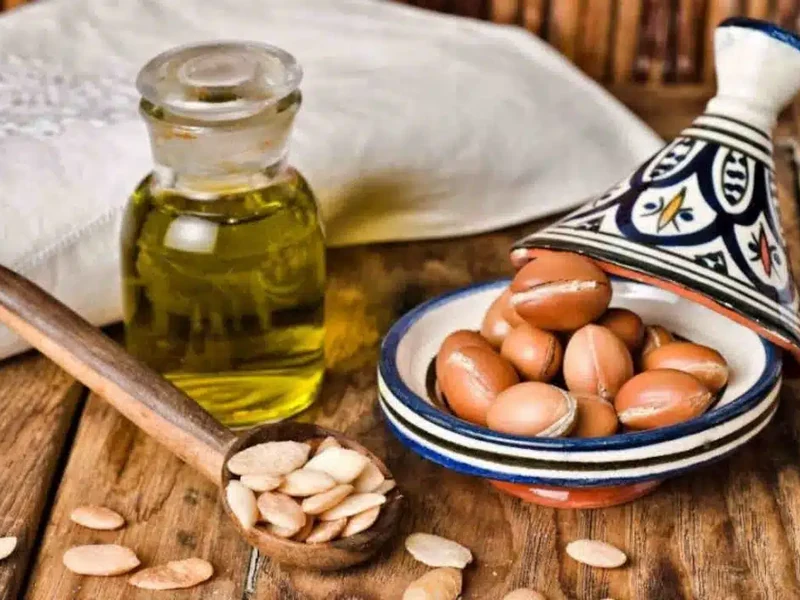
Argan oil, spices and local produce from Morocco

Local Products

Argan oil, spices, dates, olives and saffron, grown and pressed where you can watch it happen.
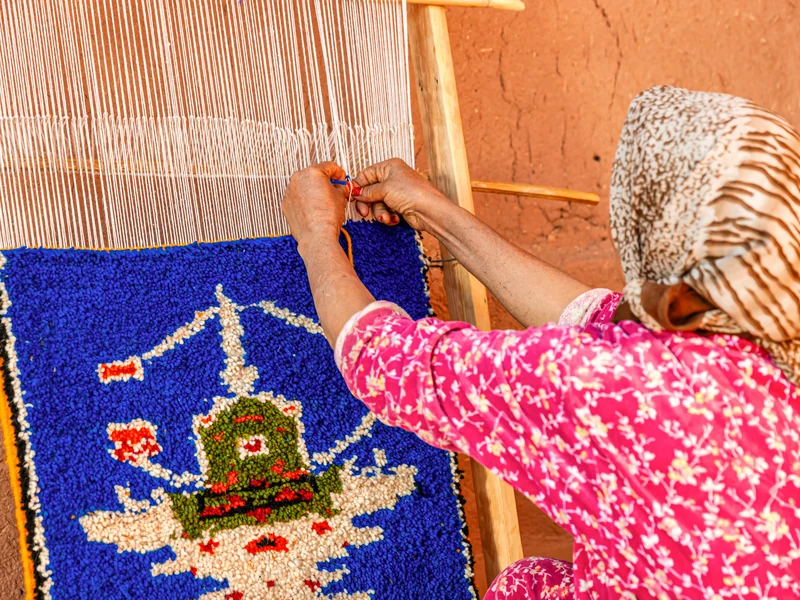
A Moroccan artisan at work in a workshop

Traditional Craft

Zellige, carpets, leather, pottery and metalwork, learned young and passed down at home.
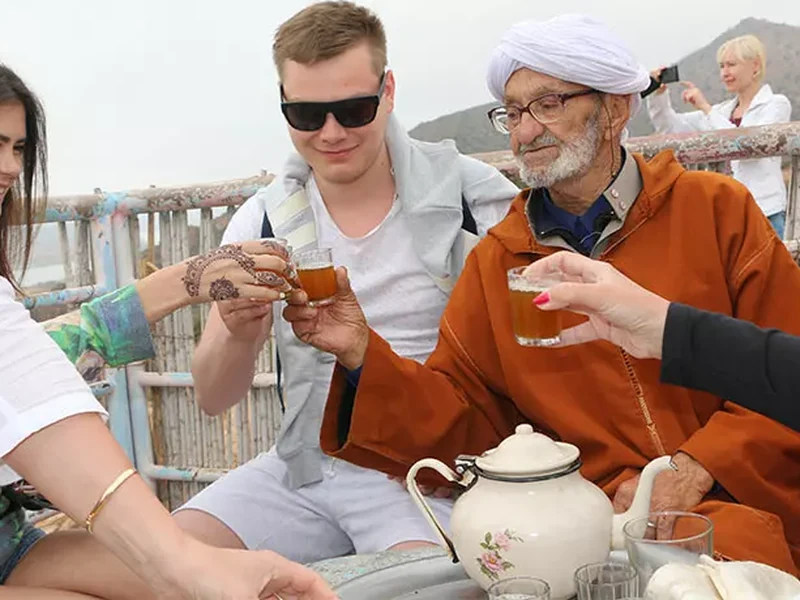
Mint tea poured in the Moroccan way

Moroccan Hospitality

The tea ritual, the insistence that you stay for another glass, and why refusing is harder than accepting.
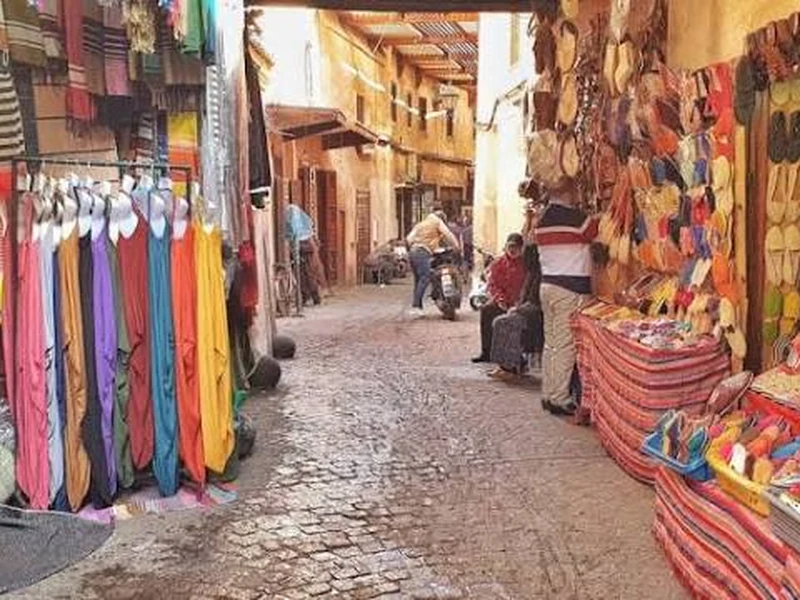
Daily life in a Moroccan souk

Lifestyle

Souks, rooftop cafes, hammams and the rhythm of a day built around five calls to prayer.
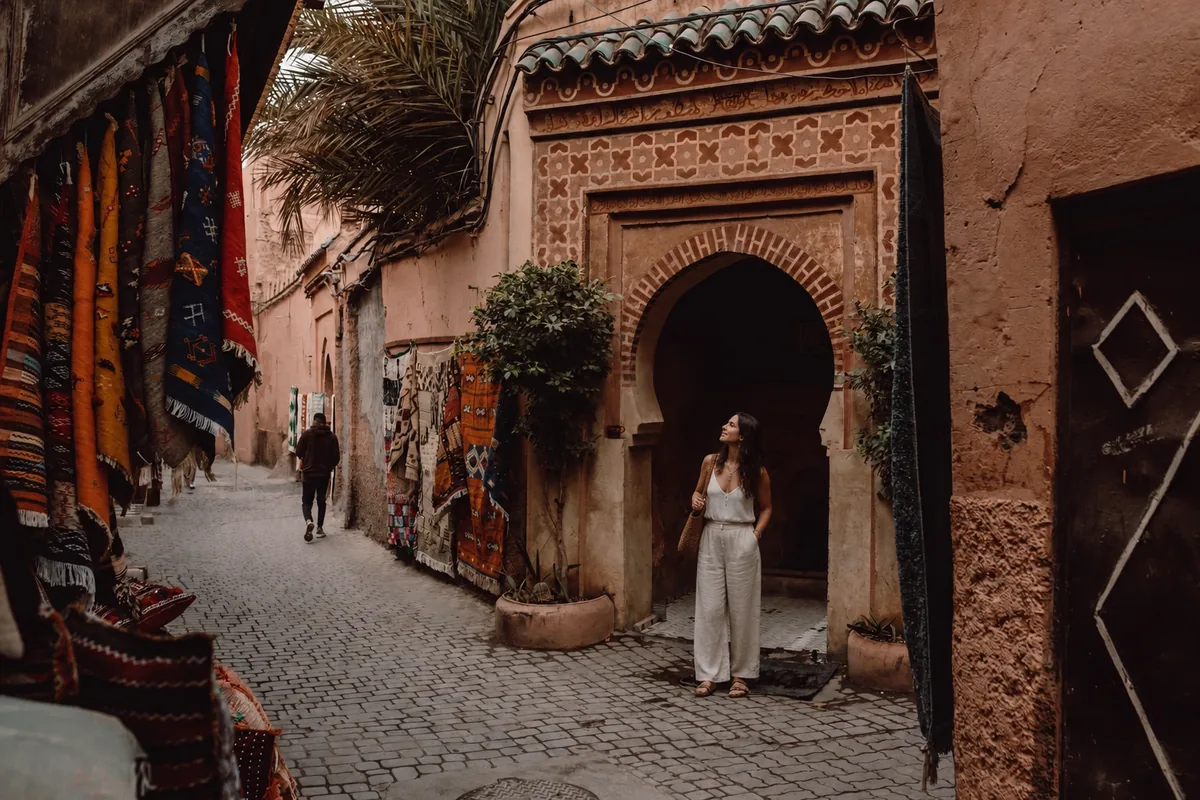
Seven Facets of Morocco’s Heritage

Seven subjects that explain Moroccan culture: medinas, crafts, food, the Amazigh, landscapes, heritage sites and festivals.
Moroccan culture in the medina of Fes

1. The Medina: How Morocco’s Old Cities Work

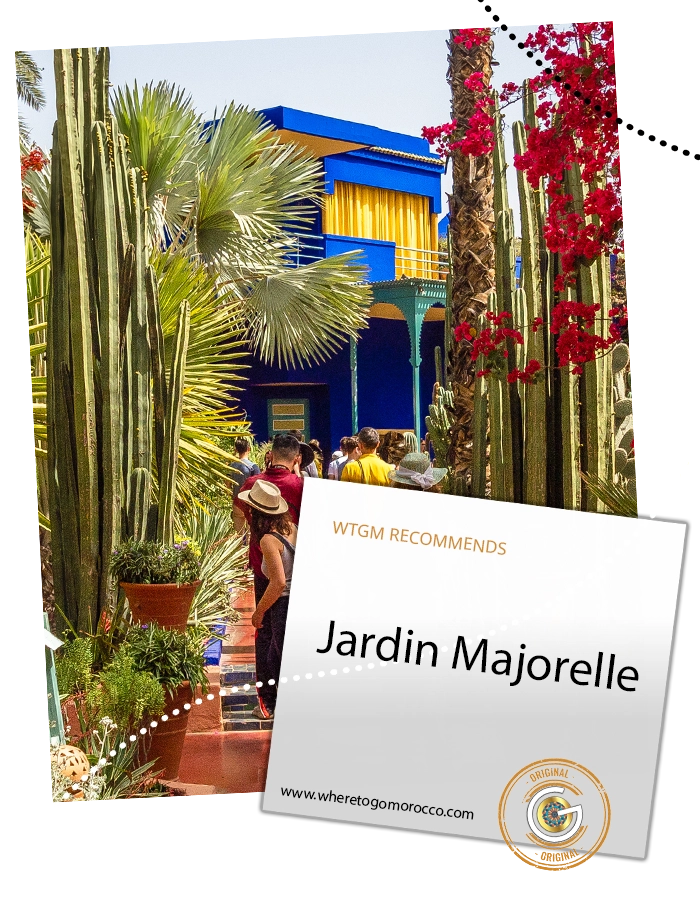
A medina is a walled city built before cars existed, and it still behaves that way. The streets narrow as you go in, which is deliberate: the main arteries carry trade, the dead ends belong to families. At the centre sit the Friday mosque, the covered market and the fountain, and the trades are grouped by smell and noise, so tanners and blacksmiths work at the edges while jewellers and booksellers stay near the middle. Marrakech feels loud and commercial, Fes is a working maze that has barely changed in a thousand years, and Essaouira is small enough to cross in twenty minutes. If you want one place inside the Marrakech medina that explains the city’s taste for colour, start with the Majorelle garden. Once you know the logic, you stop being lost. You are simply walking through a plan that predates the map.

2. Moroccan Craftsmanship: Tanneries, Zellige and Carpets

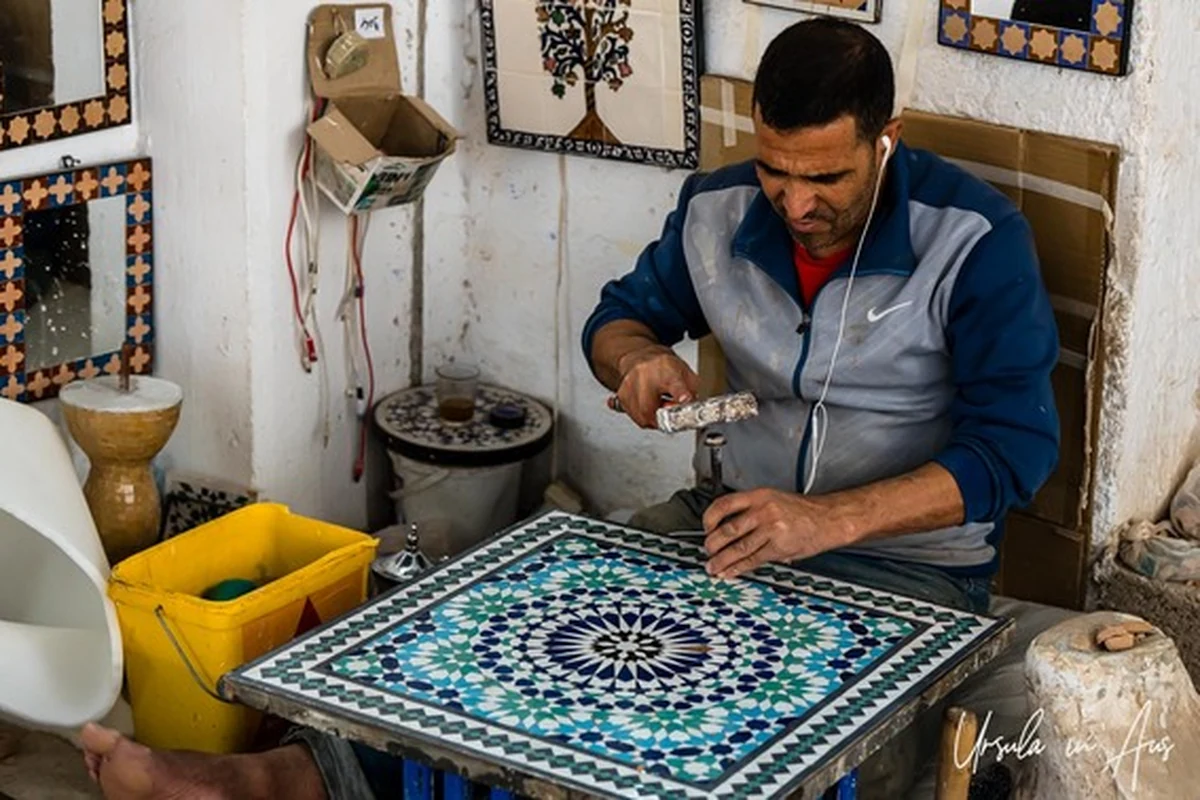
Moroccan craft is a trade before it is a souvenir. Zellige is cut by hand, tile by tile, from a fired slab, then laid face down so the pattern only appears when the panel is turned over. Carpets are woven by women in the Atlas villages, and the knot count, the wool and the dyes tell you where it came from long before any label does. Leather is still tanned in open pits with lime, the same way it was in the twelfth century. What separates real work from tourist stock is weight, evenness and the willingness of the seller to tell you which village made it. Ask that question in a workshop and the answer comes quickly. What you owe afterwards is a separate question, and we cover it in our guide to tipping in Morocco.
Zellige tiles and handmade Moroccan crafts
Tagine, couscous and bread on a Moroccan table

3. What Moroccans Actually Eat

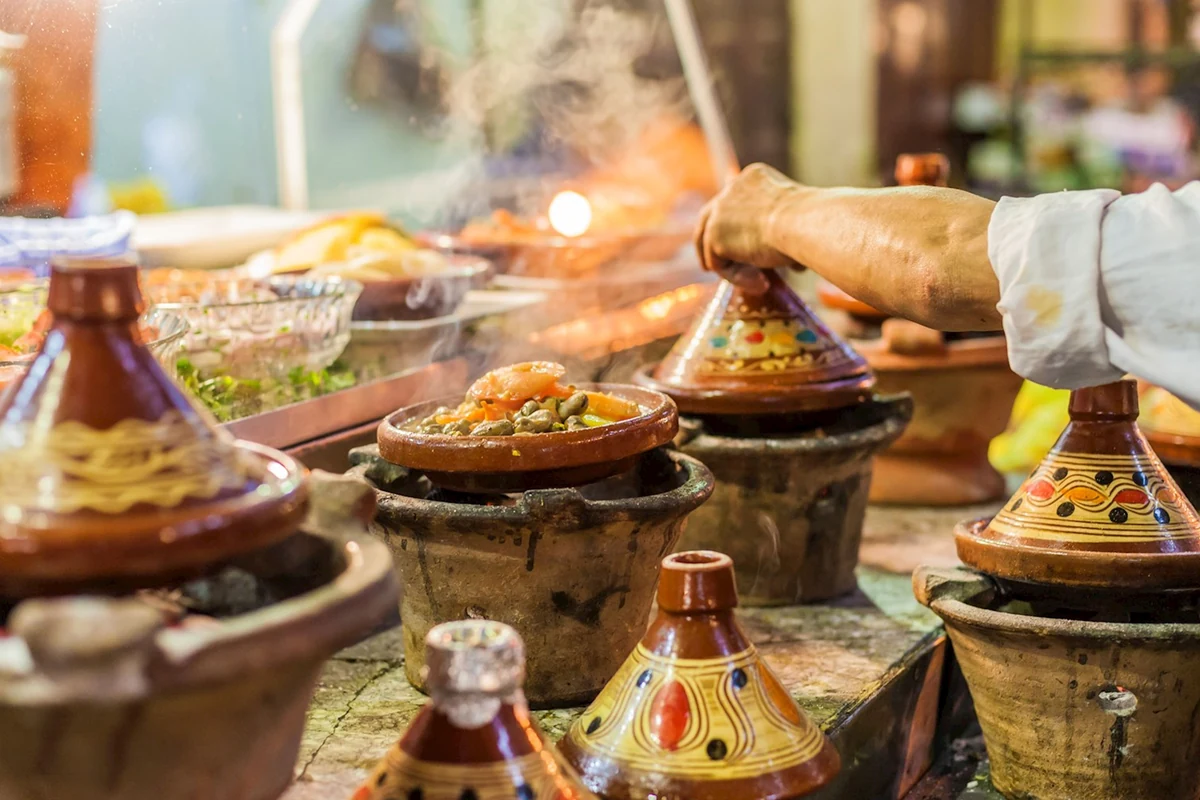
Couscous is Friday food, served after midday prayers, and rarely eaten on other days at home. Tagine is the everyday dish, named after the clay pot rather than the recipe, and it changes completely between the coast and the mountains. Bread arrives at every meal and works as a utensil as much as a food. Mint tea is not a drink so much as a rule of hospitality. It is poured from height to aerate it, served three times, and refusing the first glass is awkward in a way that surprises most visitors. Street food is worth trusting where the queue is local and the turnover is fast. Harira soup, grilled sardines on the coast and fresh msemen at breakfast are the safest places to start. We went through the ordering, the prices and the street food in detail in what to eat in Morocco.

4. The Amazigh: Morocco’s First Inhabitants

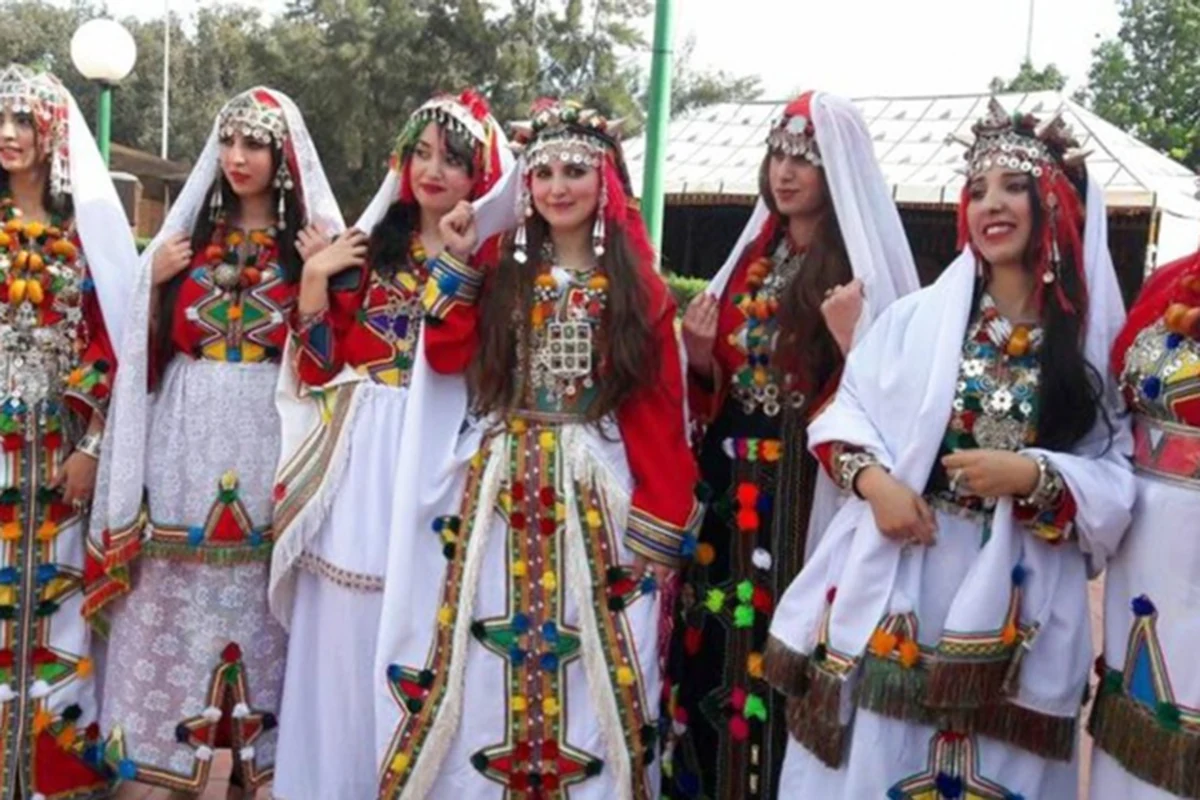
The Amazigh were here long before the Arab conquest, and roughly a third of Moroccans still speak one of the three main languages: Tachelhit in the south and the High Atlas, Tamazight in the Middle Atlas, and Tarifit in the Rif. Tifinagh, their script, appears on road signs and public buildings across the country since it was made official in 2011. You see the culture most clearly in the Atlas valleys, where villages are built from the same earth as the hillside and the weekly souk still sets the rhythm of the week. Our guides in Imlil and Ourika are Amazigh themselves, which is usually the difference between hearing about a village and being welcomed into one. Whether you need one at all depends on where you go, and we answered that in do you need a guide in Morocco.
An Amazigh village in the Moroccan Atlas
Atlas mountains and desert landscape in Morocco

5. Four Landscapes in One Country

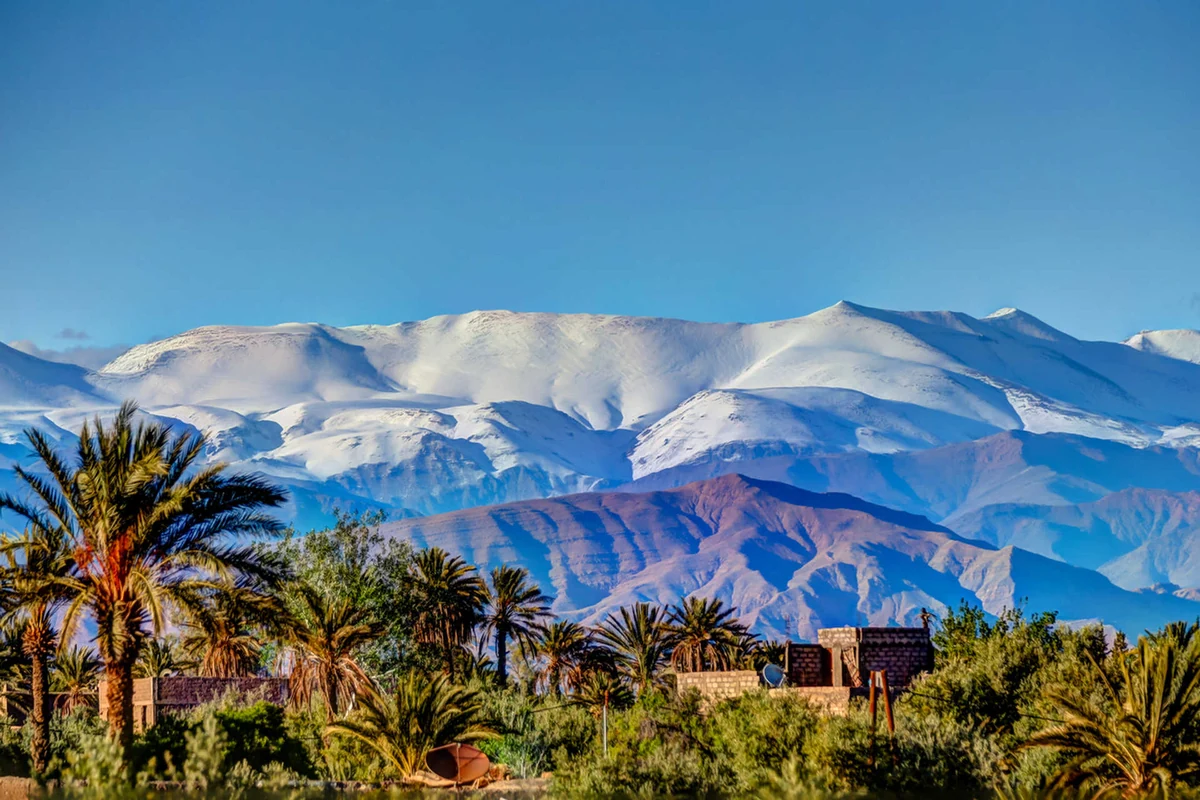
Few countries change this fast over short distances. The High Atlas rises to over 4 000 metres and holds snow into spring, an hour and a half from Marrakech. Push south and the mountains give way to the Sahara, either the stony expanses around Zagora or the tall dunes of Erg Chebbi at Merzouga, which take a longer drive to reach. West, the Atlantic coast at Essaouira is windy, cool and built around fishing rather than tourism. And thirty minutes from the city, Agafay is a rocky desert that looks like the Sahara without the distance. Each of these shaped a different way of living, and you can cross all four inside a single week. The real driving times are in how far the Sahara is from Marrakech.

6. Morocco’s UNESCO World Heritage Sites

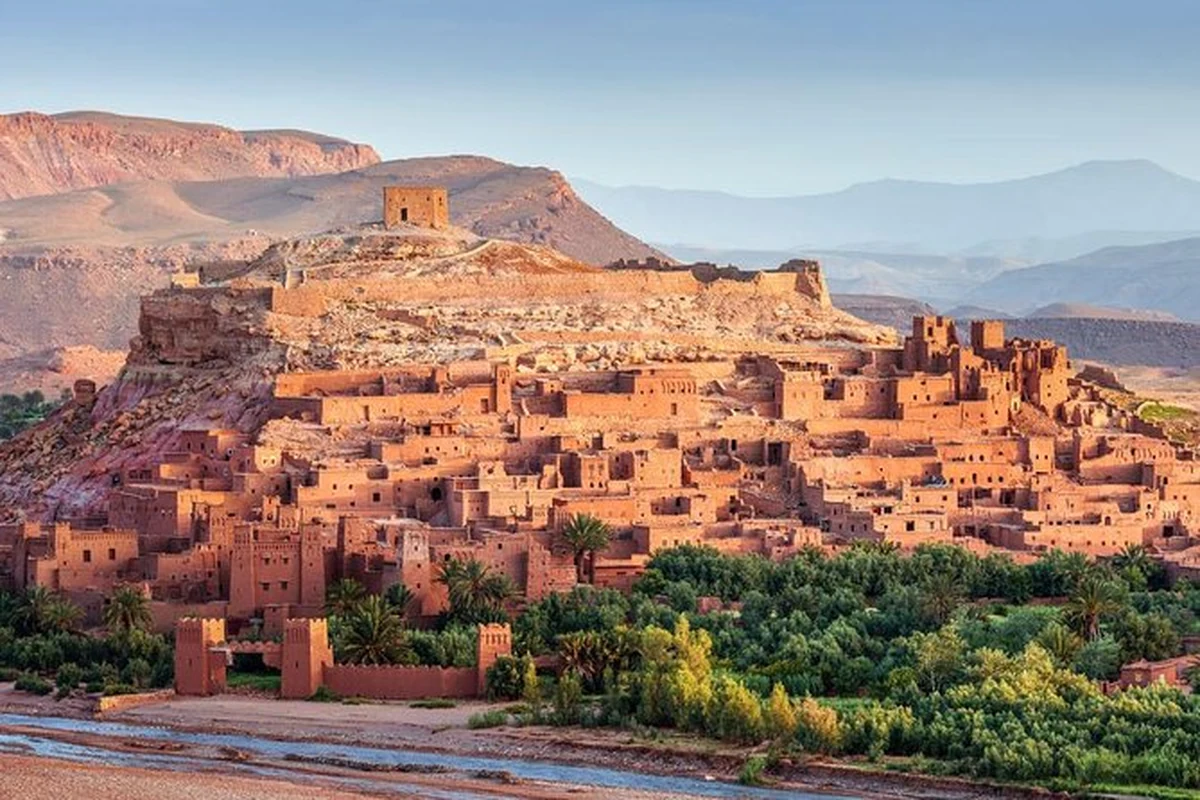
Morocco has nine sites on the UNESCO World Heritage list, and they cover the full span of the country’s history. The full list is published by UNESCO. The medinas of Fes, Marrakech, Tetouan and Essaouira are listed as living cities rather than monuments. Ait Ben Haddou is an earthen ksar on the old caravan route to the Sahara, and Volubilis holds the Roman mosaics that predate everything else. The ones you can reach on a day trip from Marrakech are the Marrakech medina itself, Essaouira on the coast, and Ait Ben Haddou over the Tizi n Tichka pass. The others sit further north and need their own trip, which is worth knowing before you plan a week. What a day at the ksar actually covers is set out in Ait Ben Haddou and Ouarzazate in one day.
A UNESCO listed site in Morocco
Musicians at a Moroccan moussem

7. Festivals and Moussems Through the Year

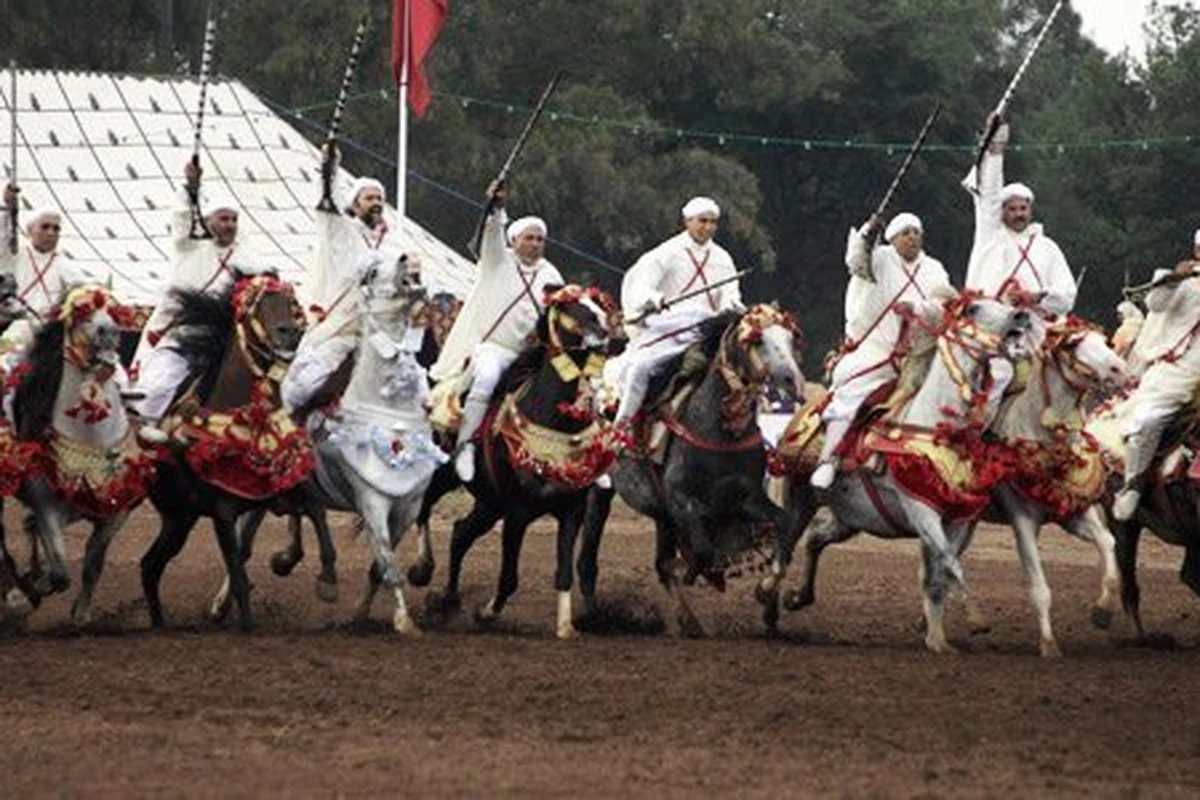
A moussem is a local festival tied to a saint or a harvest, and there are hundreds of them, most unadvertised. The rose festival in the Dades valley falls in May when the crop comes in. The Gnaoua World Music Festival fills Essaouira in June and is the easiest one for a visitor to attend. Imilchil holds its betrothal moussem in September, high in the Middle Atlas. Ramadan changes the country for a month: quieter days, late and generous evenings, and shorter opening hours. It is not a bad time to visit, but it is a different one. Ask locally what is happening the week you arrive, because the calendar is lunar and the dates move each year. For the rest of the year, see what changes in spring, summer, autumn and winter.

What Visitors Get Wrong

Four habits that sit badly with Moroccan culture, and change how people receive you from the souks of Marrakech to a village in the Atlas.
  • Dress is about where you are, not rulesMarrakech and the coast are relaxed. In a village of the Atlas or during Ramadan, covered shoulders and knees are what makes you unremarkable, which is the point.
  • Ask before you photograph anyoneA lens pointed at someone working reads as rude here, especially in the souks. Asking first almost always gets a yes, and often a conversation you would not have had.
  • Bargaining is a conversation, not a fightPrices in a Moroccan souk are expected to move. Go slowly, keep it light, and walk away without hard feelings if the number does not work. Both sides know the game.
  • Accepting mint tea is accepting the personRefusing the first glass reads as refusing the host. Take it, stay a few minutes, and everything that follows, including the price, tends to go better.