
| You have | What genuinely fits |
|---|---|
| 1 day | One day trip from Marrakech: Ourika, Ouzoud, Essaouira, Ait Ben Haddou, Imlil, or an evening in Agafay. |
| 2 days | Zagora and the Draa valley, with one night under canvas. |
| 3 days | Merzouga and the Erg Chebbi dunes, through the Dades and Todgha gorges. Visa and entry rules are published by the Moroccan Ministry of Foreign Affairs. |
| 4 days | The same route without rushing, with Ait Ben Haddou and Ouarzazate on the way. |
| 5 to 7 days | A 3 or 4 day desert tour, plus two or three day trips from Marrakech. |
| 10 days and more | The desert, the Atlas, the coast, and one imperial city. |
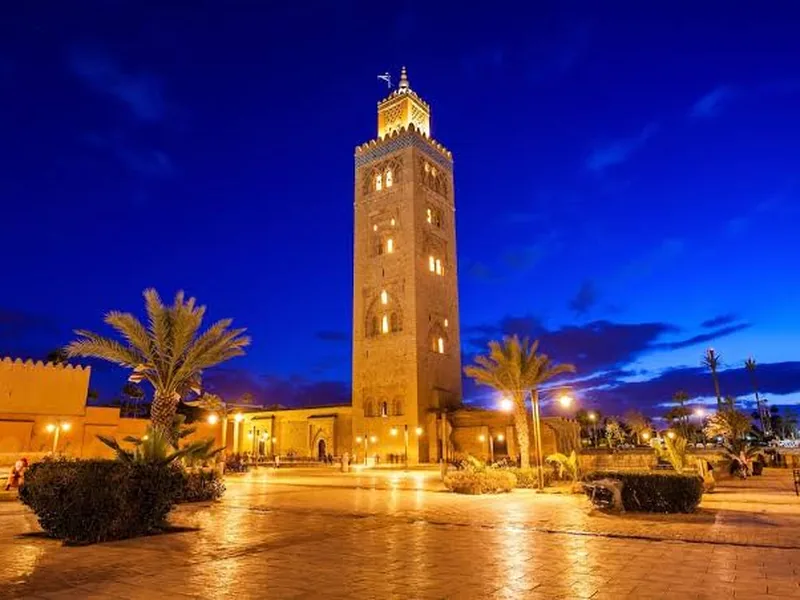
The country’s busiest base for travel. Jemaa el-Fna, the souks, the palaces and the gardens sit inside the walls, and most day trips in this guide leave from here.
See tours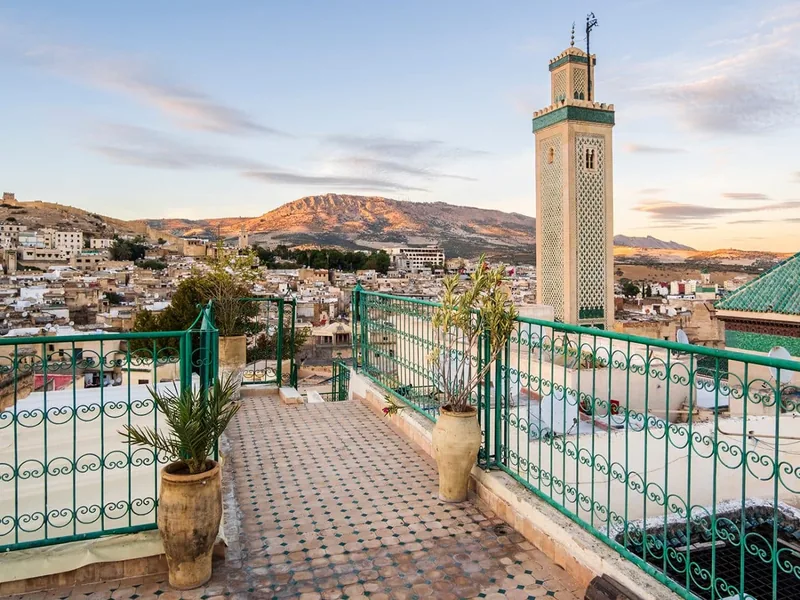
The oldest imperial capital, and the one that feels least changed. Its medina is a walking maze of tanneries, madrasas and workshops where crafts are still taught by hand.
See tours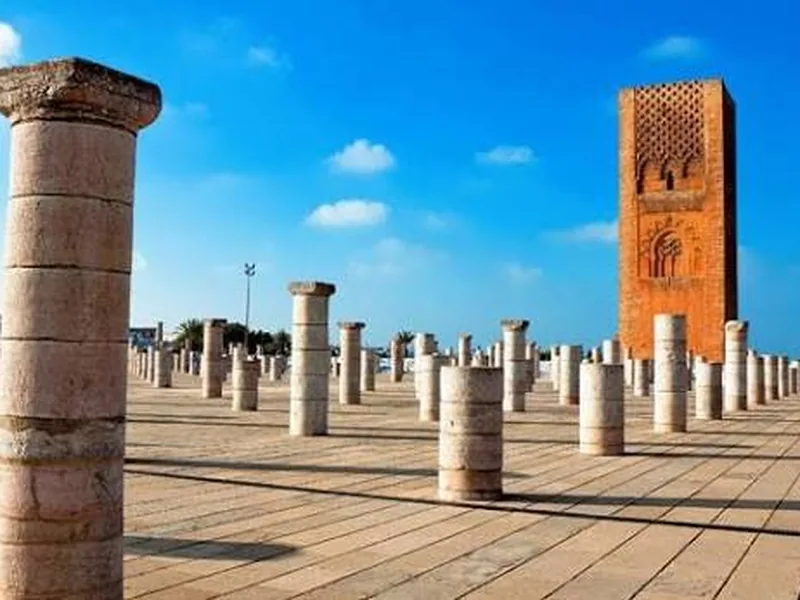
The administrative capital, calm and open compared with Marrakech. The Kasbah of the Udayas looks over the river mouth, and the Hassan Tower stands unfinished after eight centuries.
See tours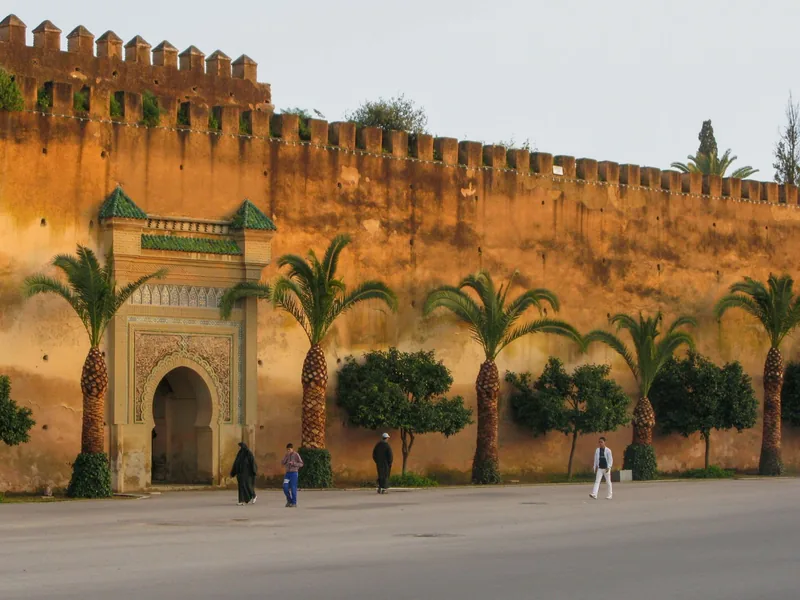
The quietest of the four imperial cities and the easiest to walk. Bab Mansour opens onto wide granaries and stables built for twelve thousand horses under Moulay Ismail.
See tours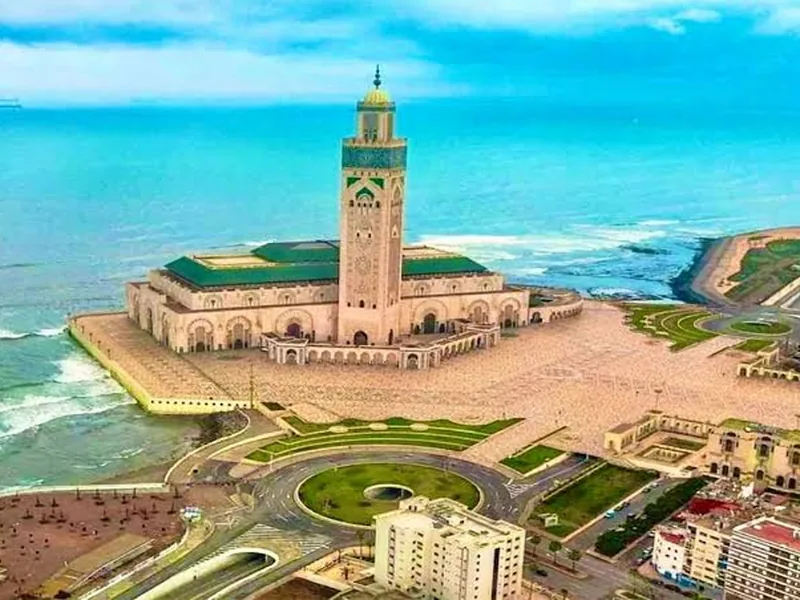
Modern Morocco, built for work rather than visitors. The Hassan II Mosque stands over the Atlantic and can be visited inside, which is rare for a working mosque here.
See tours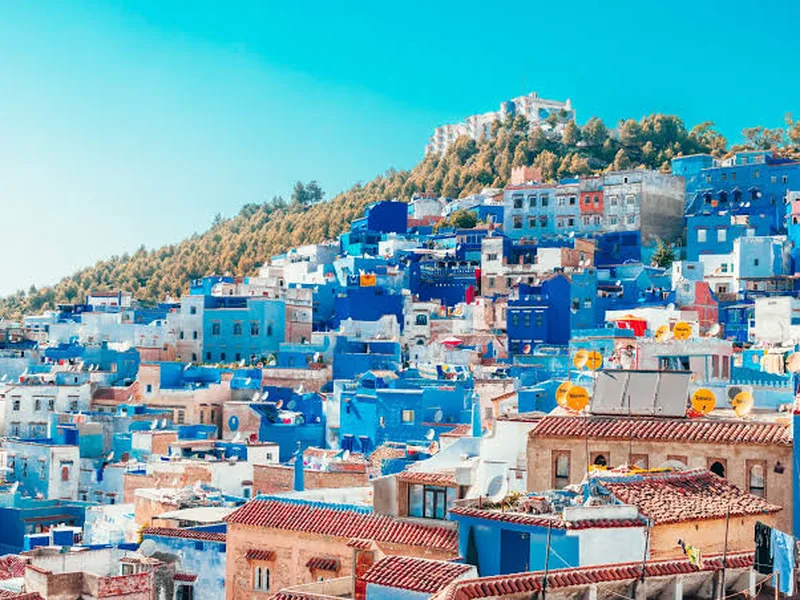
The blue city, set high in the Rif mountains. The painted lanes are the draw, but the cool air and the slow pace are what make people stay an extra night.
See tours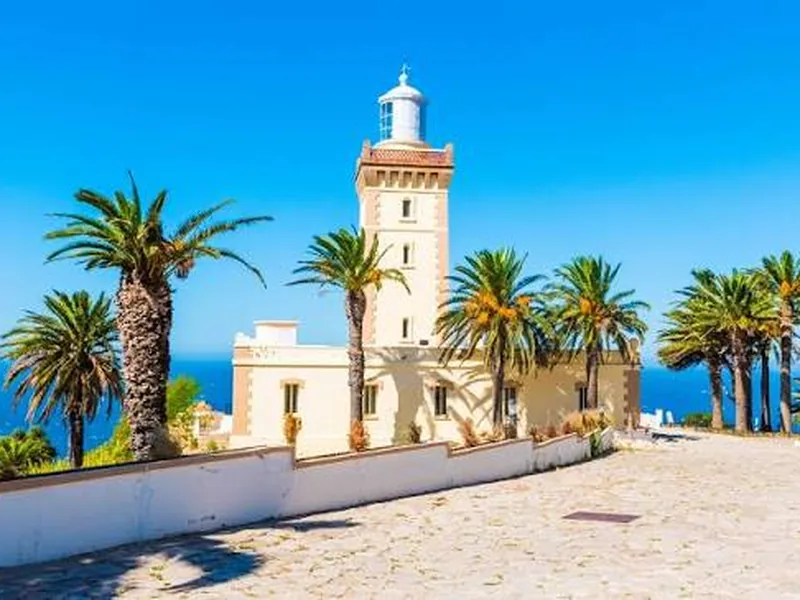
Where the Mediterranean meets the Atlantic, and Europe is visible across the strait. A port city with a long foreign history, now rebuilt around its marina and old medina.
See tours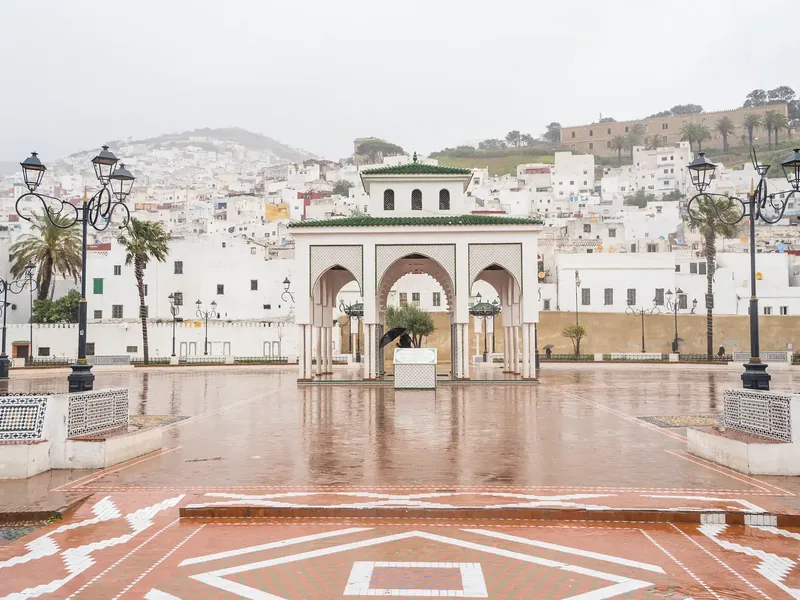
Andalusian Morocco, built by families who left southern Spain. Its white medina is UNESCO-listed and far less visited than Fes, which is precisely its appeal.
See tours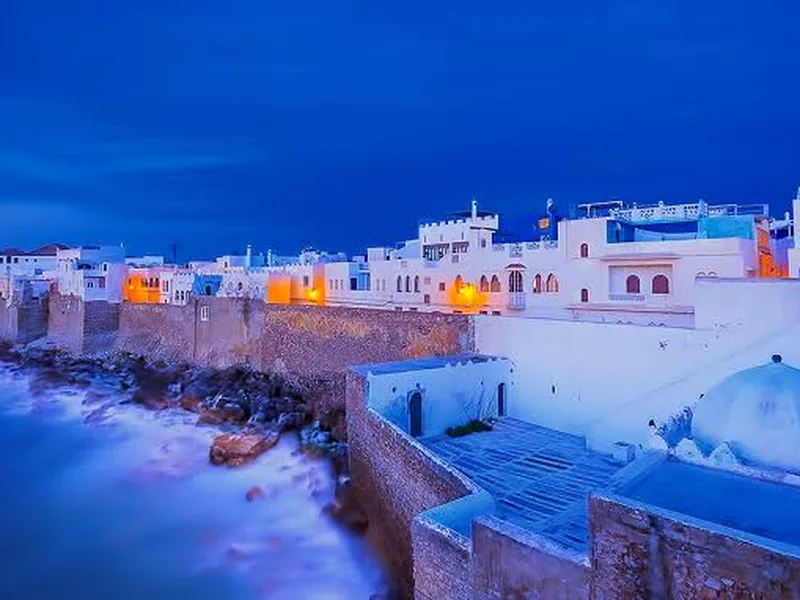
A small walled town on the Atlantic, whitewashed and repainted with murals each summer. Easy to reach from Tangier and pleasant to walk in a single afternoon.
See tours
A fortified port with a working fishing fleet, wide beaches and constant wind. The sea breeze keeps it cool all year, which makes it the summer answer to inland heat.
See tours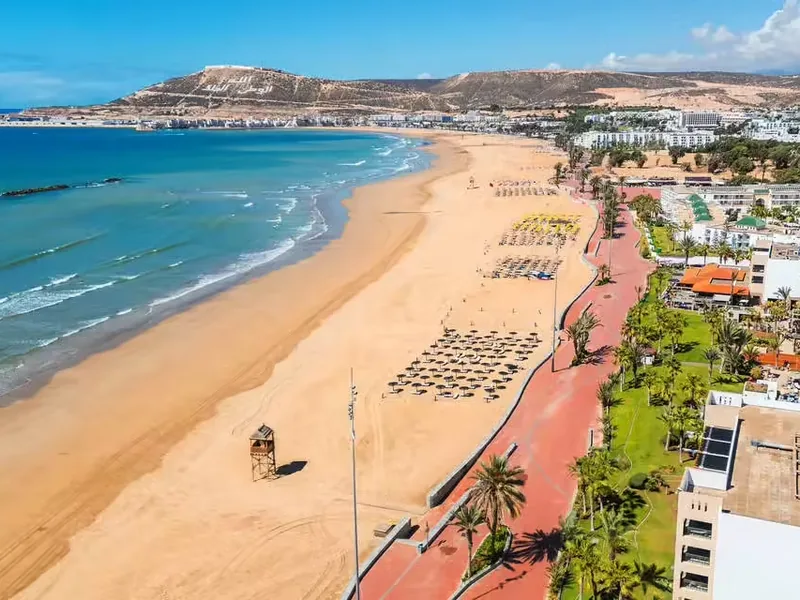
Rebuilt after the 1960 earthquake, so modern rather than historic. Long sandy beaches, reliable sunshine and resorts, with the Souss valley and Paradise Valley close by.
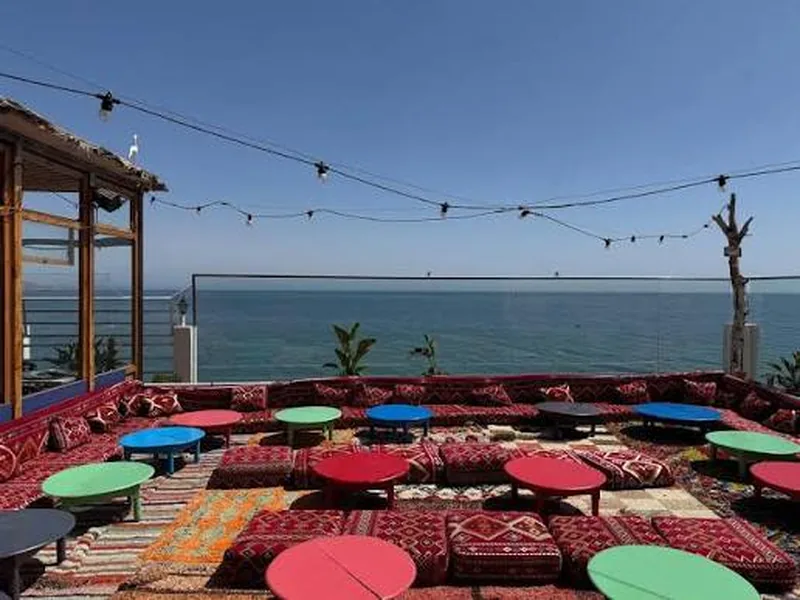
A fishing village turned surf town, half an hour north of Agadir. Consistent Atlantic swell, beginner schools along the bay, and a pace that keeps people longer than planned.
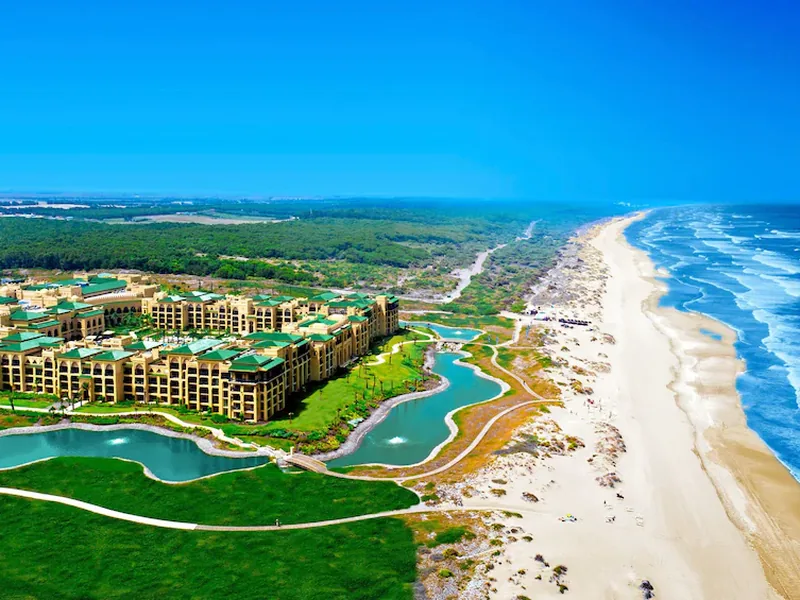
A Portuguese fortified port, with a cistern beneath the walls that is still one of the strangest spaces in Morocco. The beaches draw Casablanca families every summer.
See tours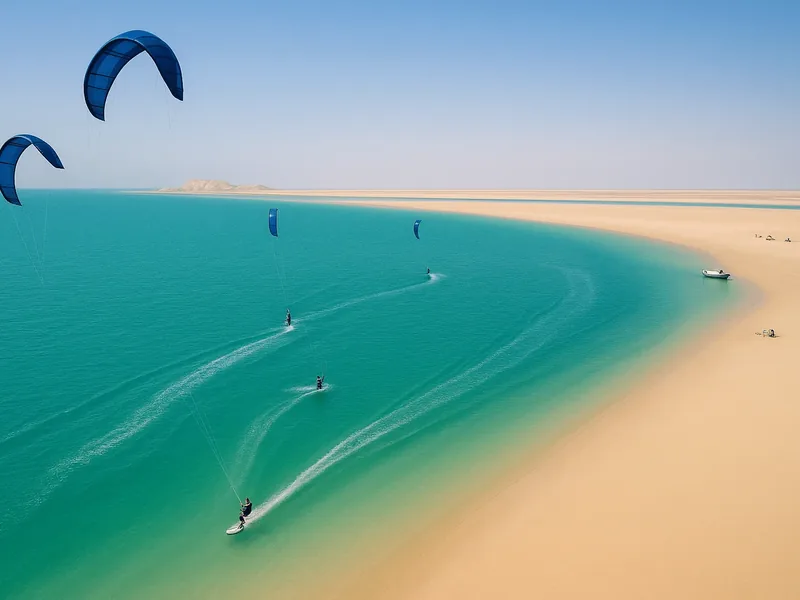
Far south, on a desert peninsula between lagoon and ocean. Flat warm water and steady wind make it one of the best kitesurfing spots anywhere, and it stays empty.
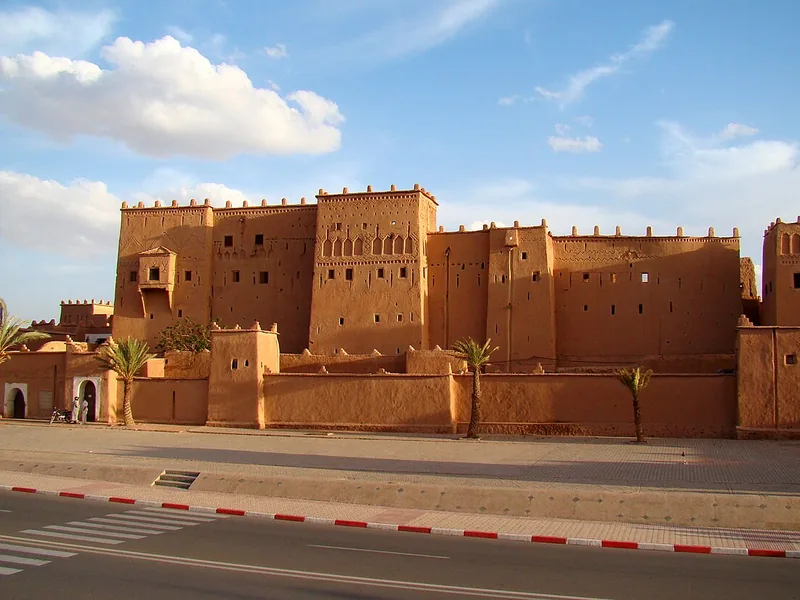
The gateway between the High Atlas and the desert. Its film studios have stood in for Rome, Tibet and Westeros, and the kasbah of Taourirt sits in the centre of town.
See tours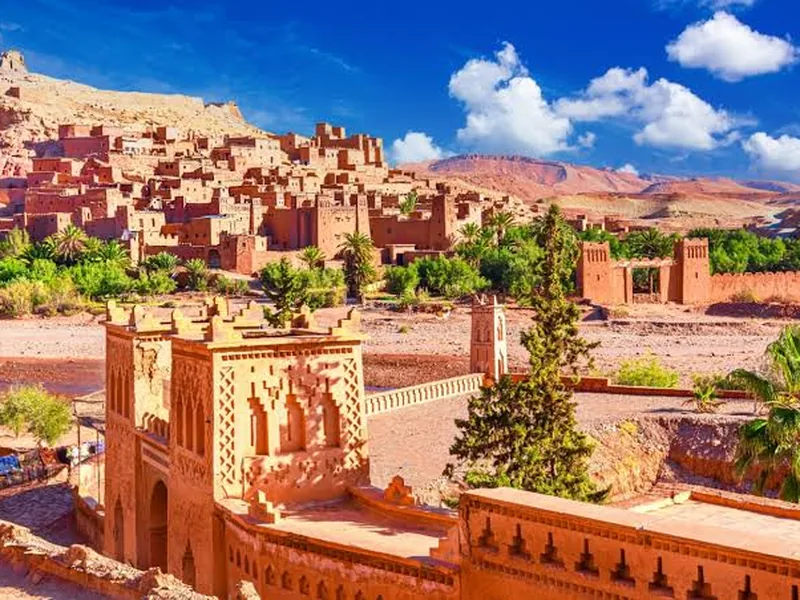
A fortified earthen village above the river, UNESCO-listed and instantly familiar from film. Best walked early, before the coaches arrive from Marrakech around midday.
See tours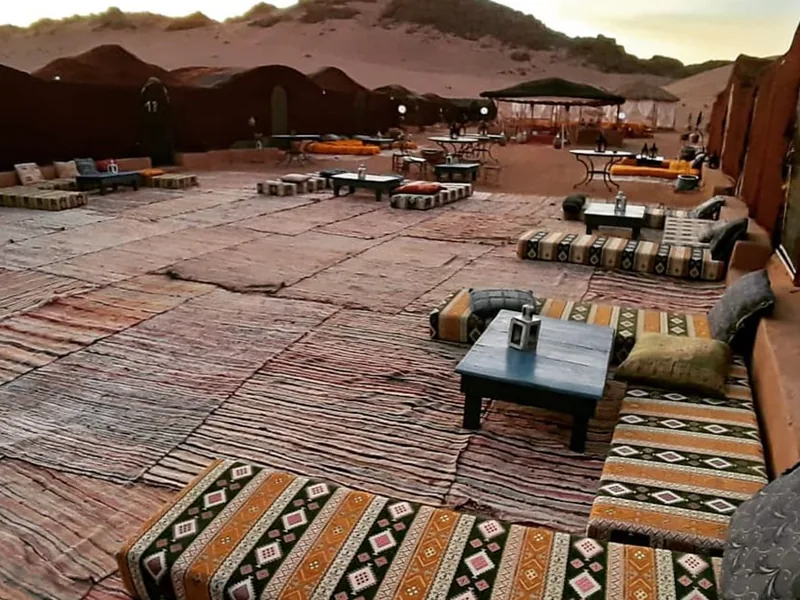
The end of the Draa valley, reached in a long day from Marrakech. Stony desert and low dunes rather than the tall sand of Merzouga, but a real night under canvas.
See tours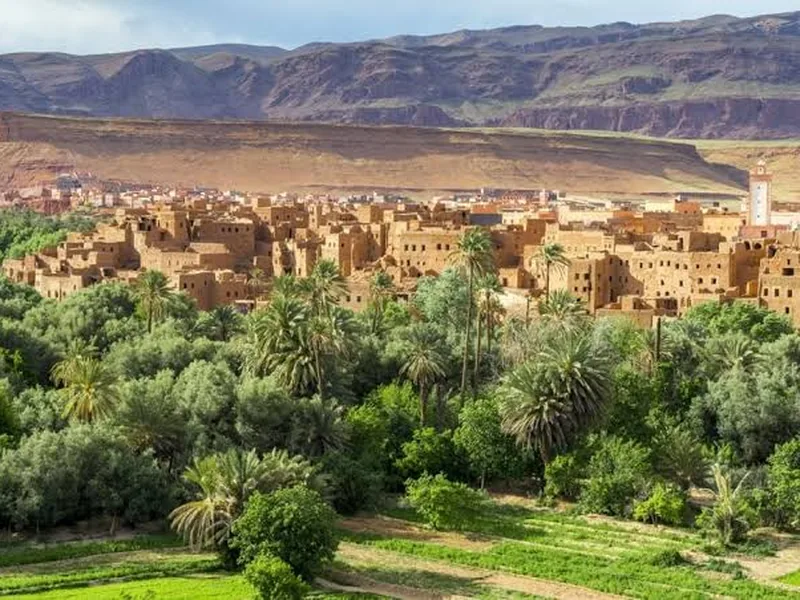
A green oasis strip below the Todgha gorge, where cliffs rise three hundred metres above a narrow road. The usual stop on the way east towards Merzouga.
See tours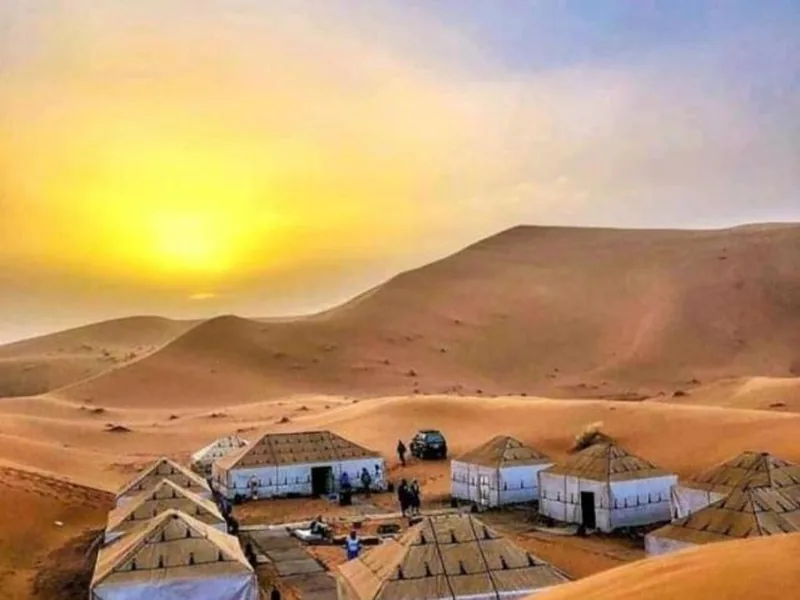
The tall dunes of Erg Chebbi, around 560 km from Marrakech. Camel rides, desert camps and the quiet people come for. Count three days minimum, four without rushing.
See tours
The trailhead village for Toubkal, the highest peak in North Africa, ninety minutes from Marrakech. Walnut terraces, Berber villages and a valley that stays cool in summer.
See tours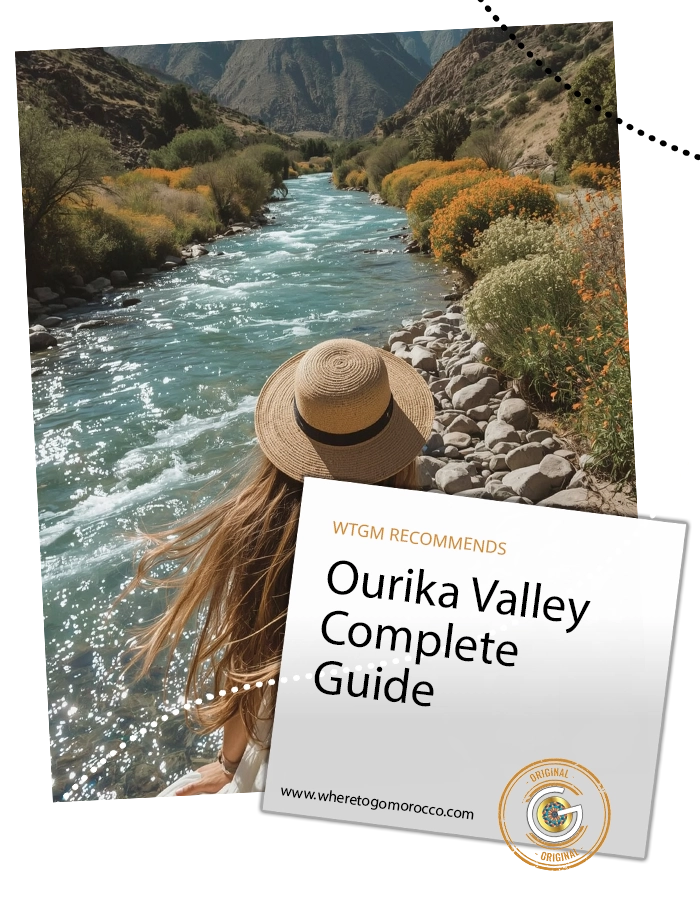
The closest mountain valley to Marrakech, around 60 km out. River-side restaurants, seven waterfalls at Setti Fatma, and snow on the peaks above through the winter.
See tours
A stony desert of bare hills forty minutes from Marrakech. Not the Sahara, and no dunes, but the right answer when you have one evening rather than three days.
See tours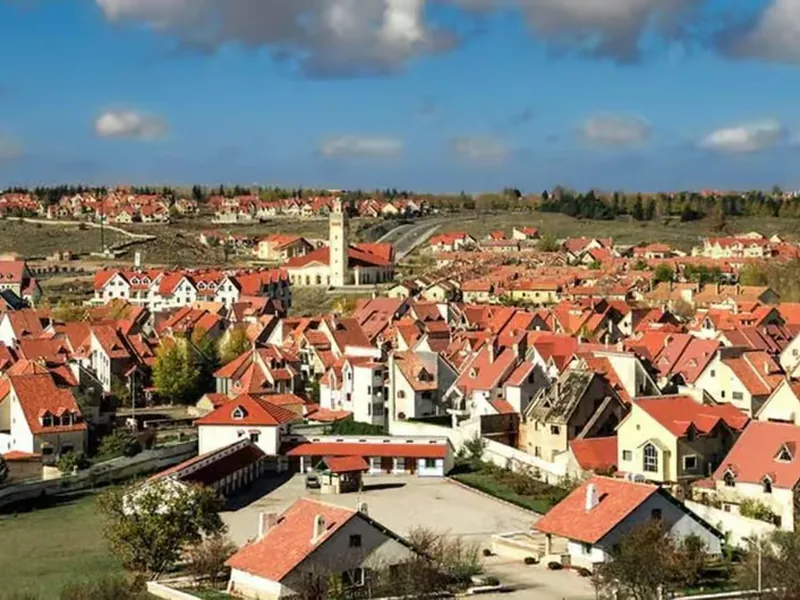
A mountain town in the Middle Atlas built with pitched roofs, and colder than anywhere else in the country. Cedar forest all around it, and snow most winters.
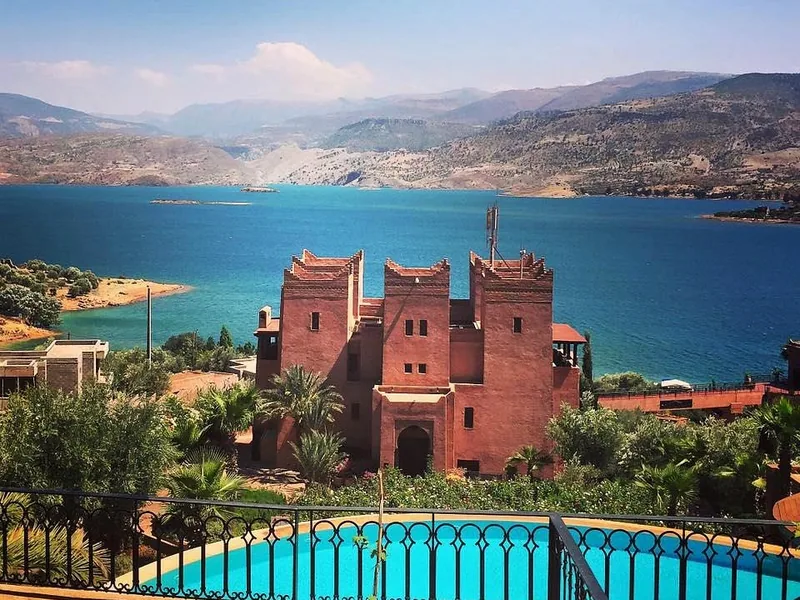
A reservoir held between red mountains, deep enough for swimming and quiet enough to hear the water. Two hours from Marrakech, and barely visited by travellers.

The highest waterfalls in Morocco, dropping 110 metres in stages. Fullest in spring, with wild macaques in the olive groves and a path down to the pool at the base.
See tours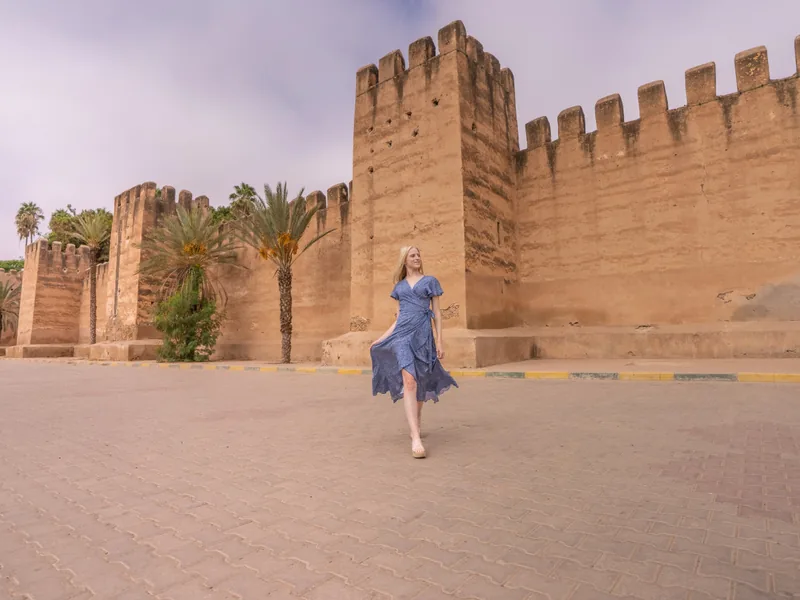
Walled in red earth and often called little Marrakech, without the crowds. A working market town in the Souss valley, with the Anti-Atlas rising to the south.
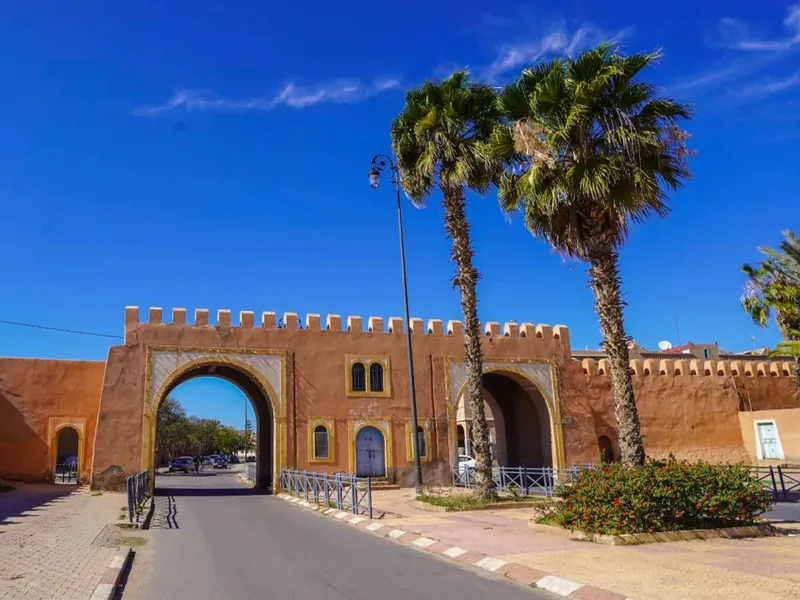
The silver town, where Moroccan jewellery is made and traded behind six kilometres of walls. A practical stop on the way to the Anti-Atlas or the southern coast.
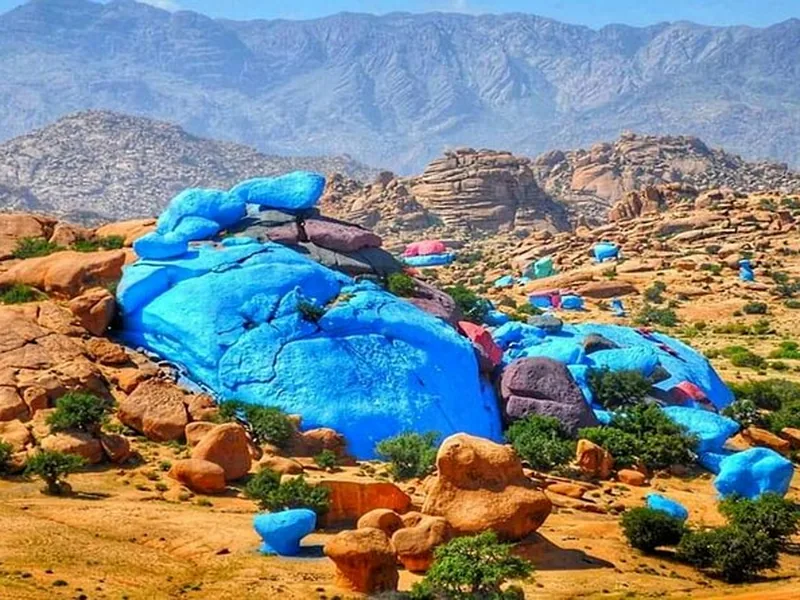
A valley of pink granite boulders and almond groves in the Anti-Atlas. The rock formations draw walkers, and the almond blossom draws crowds every February.
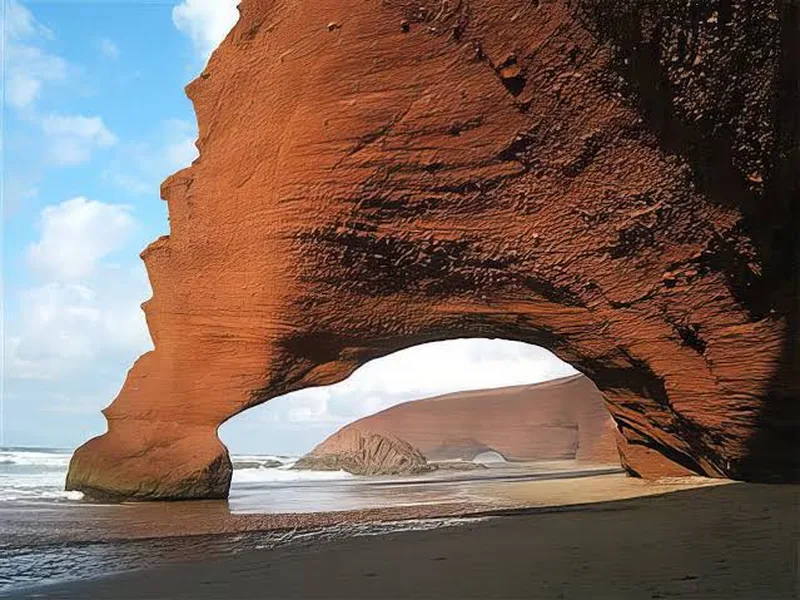
A Spanish colonial town on the Atlantic, built in Art Deco and now faded in the salt air. Legzira beach and its stone arch lie just up the coast.
| Route | Distance | Driving time |
|---|---|---|
| Marrakech Agafay | 30 km | 45 min |
| Marrakech Ourika | 60 km | 1 hr |
| Marrakech Ait Ben Haddou | 180 km | 3 hrs |
| Marrakech Essaouira | 190 km | 3 hrs |
| Casablanca Marrakech | 240 km | 2 hrs 30 |
| Fes Merzouga | 470 km | 7 hrs |
| Marrakech Merzouga | 560 km | 9 hrs |
March to May
The best window almost everywhere, and the only one where the Ouzoud falls run at full volume. Warm days, cool nights in the mountains.
June to August
Marrakech and the desert are very hot. Essaouira stays cool all year because of the wind, and the Atlantic coast is the sensible answer.
September to November
As good as spring, with fewer people and a warmer sea. Desert nights turn comfortable again from late September.
December to February
Cold nights in the desert and snow on the Atlas. Mild on the coast, and the clearest light of the year over the mountains.