
Imlil is a village at 1 740 metres at the end of the road into the High Atlas, and what you do there is walk. It sits at the foot of Toubkal, the highest peak in North Africa, and it is the last place a vehicle can reach: everything above it moves on foot or by mule.
An hour and a half from Marrakech, it is the fastest way to be somewhere that feels nothing like the city.
Things to do in Imlil
| Walk to Armed | The highest village in the valley, about an hour up. Walnut groves and terraced fields the whole way |
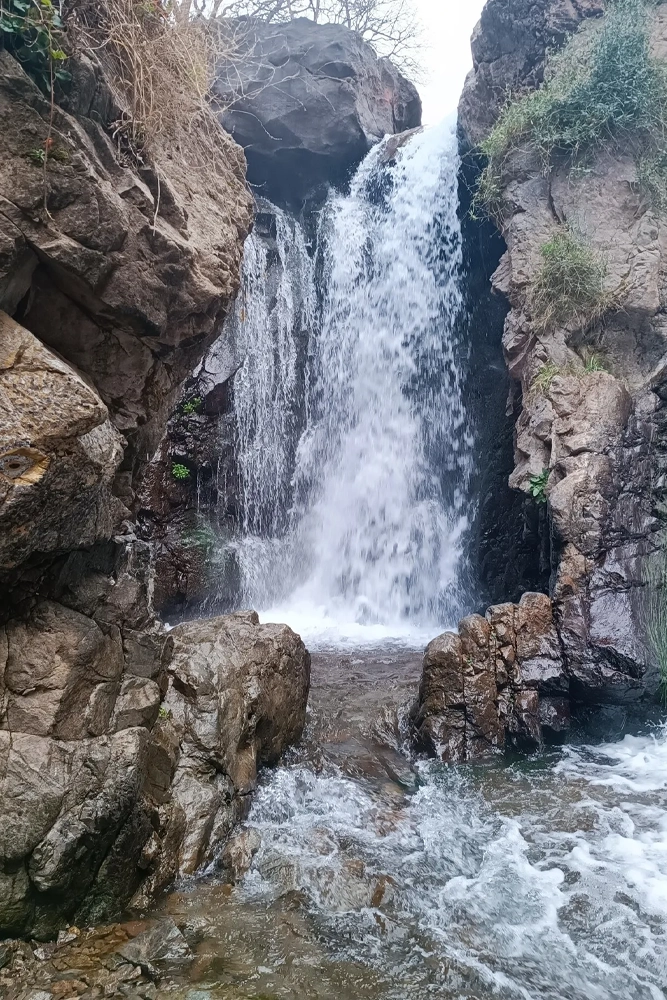
| The waterfall at Tamatert | A short walk on the other side of the valley, manageable with children |
| Lunch on a terrace | Tagine with the peaks in front of you. The thing most visitors remember |
| Sidi Chamharouch | A shrine three hours up the Toubkal trail. A real walk, and a working pilgrimage site |
| Mule trekking | How everything moves above the village. Half or full day, and it covers ground walking cannot |
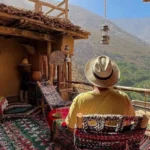
| The Kasbah du Toubkal viewpoint | The path up to it is public and the view over the valley is the best from the village |
| Berber house visit | Arranged through a local guide. Mint tea, a working kitchen, and how a mountain family lives |
| Toubkal ascent | Two days with a night at the refuge. Not a day trip, and it needs a mountain guide |
| Snow in winter | December to March. The valley floor stays clear, the peaks do not |
The walking, and how hard it is
The valley walks are walks, not expeditions. Armed and back is a comfortable morning, mostly on a mule track, with a steady climb. The waterfall is shorter and flatter.
Above that it changes. Sidi Chamharouch is three hours up and three back, at altitude, on rock. Toubkal itself is a two day proposition with a night at the refuge, a guide, and proper boots. People underestimate this every season.
What altitude changes
Imlil is 1 740 metres and Marrakech is 460. People leave the city in a t-shirt and arrive somewhere ten degrees colder, which is the most common mistake here. Bring a layer in every month.
Above the village the air thins enough to notice on a climb, though not enough to be a health concern on a day walk. The sun at that altitude burns faster than it feels.
The valley, and who lives in it
These are Amazigh villages, built of stone and earth on the same slope they farm. Walnut, cherry and apple terraces run down to the river, and the weekly souk still sets the rhythm of the week.
Our guides in the valley are from it, which is usually the difference between walking past a village and being invited into one. A day trip with a local guide includes lunch in the village, and the lodge lunch version eats higher up with the peaks in view.
Imlil or Ourika
Ourika is closer, greener and easier: a river valley with cafes on the water at Setti Fatma and a flatter walk. Imlil is higher, drier and more mountain. With small children, take Ourika. To actually walk, take Imlil.
The three valleys route covers more ground and stops less, which suits a first visit that wants an overview.
How long you need
A day trip works and is what most people do: ninety minutes each way, four or five hours in the valley. Whether to stay overnight is a separate question, and the answer is yes if you intend to walk seriously.
The other six kinds of day are on things to do in Morocco.